
Management Of Bleeding And Clotting Disorders
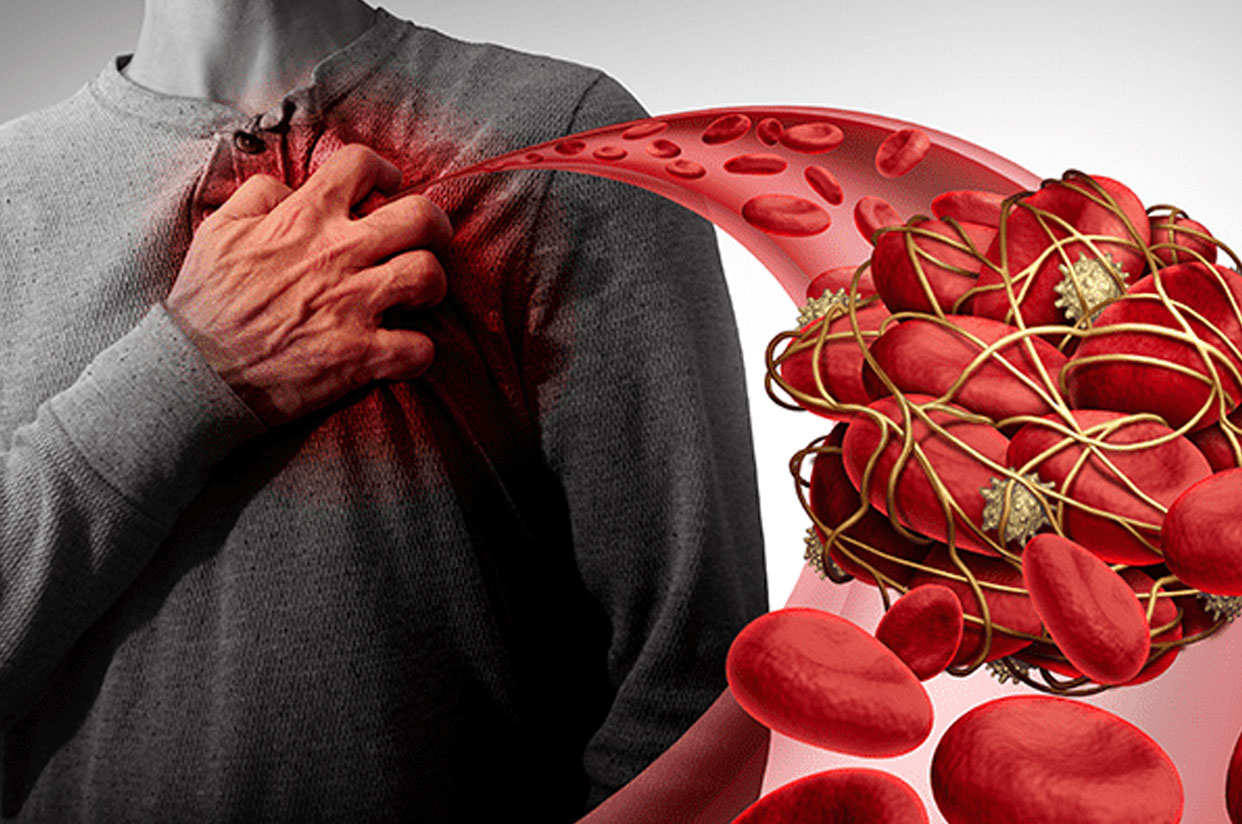
Bleeding and clotting disorders are conditions that affect the body's ability to form blood clots properly. While some disorders lead to excessive bleeding, others increase the risk of abnormal blood clot formation. Early diagnosis and specialized management are essential to prevent serious complications and ensure a better quality of life.
Conditions Associated With Bleeding And Clotting Disorders
- Hemophilia
- Von Willebrand Disease
- Platelet Function Disorders
- Immune Thrombocytopenia (ITP)
- Deep Vein Thrombosis (DVT)
- Pulmonary Embolism
- Inherited Clotting Disorders
- Antiphospholipid Syndrome
- Disseminated Intravascular Coagulation (DIC)
- Thrombophilia Disorders
Symptoms
- Frequent nosebleeds
- Easy bruising
- Excessive bleeding from minor injuries
- Heavy menstrual bleeding
- Bleeding gums
- Blood in urine or stool
- Swelling and pain in the legs due to blood clots
- Shortness of breath caused by clot-related complications
- Persistent unexplained bleeding
Causes
- Inherited bleeding disorders such as Hemophilia
- Deficiency of clotting factors
- Platelet abnormalities or low platelet counts
- Genetic thrombophilia conditions
- Autoimmune diseases affecting blood clotting
- Certain medications including blood thinners
- Liver disease affecting clotting factor production
- Underlying hematological disorders
Diagnosis
- Complete Blood Count (CBC)
- Coagulation Profile (PT, INR, APTT)
- Platelet Function Testing
- Clotting Factor Assays
- Thrombophilia Screening
- Genetic Testing for Inherited Disorders
- Specialized Hematology Investigations
Treatment
- Accurate diagnosis and risk assessment of bleeding or clotting tendencies.
- Factor replacement therapy for inherited bleeding disorders.
- Platelet transfusions and supportive care when required.
- Anticoagulant therapy for clotting disorders.
- Management of underlying medical and hematological conditions.
- Personalized treatment plans for long-term prevention and monitoring.
Benefits of Early Diagnosis and Treatment
- Reduced risk of severe bleeding episodes
- Prevention of life-threatening blood clots
- Improved quality of life and daily functioning
- Better long-term disease management
- Reduced risk of complications during surgery and pregnancy
- Enhanced overall health and safety
Prevention
- Regular monitoring for known bleeding or clotting disorders
- Follow prescribed medications and treatment plans
- Maintain a healthy lifestyle and weight
- Stay physically active to promote healthy circulation
- Inform healthcare providers before surgeries or procedures
- Seek medical attention for unexplained bleeding or clotting symptoms
When To Consult Dr. Hamza Dalal?
If you experience frequent bleeding, easy bruising, heavy menstrual bleeding, recurrent blood clots, or have a family history of bleeding or clotting disorders, consult Dr. Hamza Dalal for expert evaluation and comprehensive hematology care. Early diagnosis and treatment can help prevent serious complications and improve long-term health outcomes.